
Lepitopterist and Old Pembrokian Steve Collins Visits Pembroke
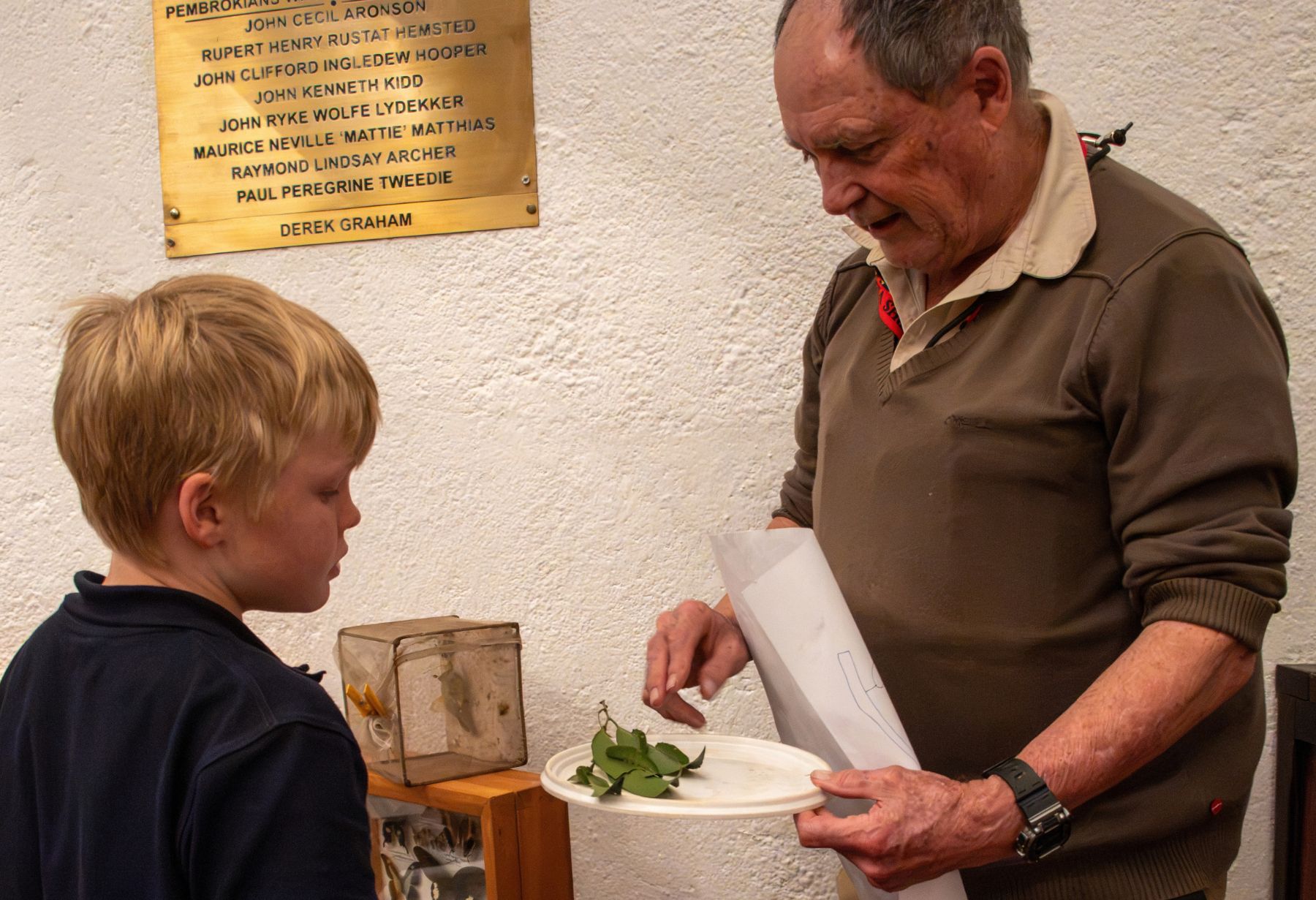
Pembroke House was delighted to welcome back a very special Old Boy recently, renowned lepidopterist Steve Collins, whose connection with the school stretches back more than seventy years.
Steve was a pupil at Pembroke in the 1950s and, during his time here, even helped with the building of part of the Christina Chapel. He recalled shaping the words “Honour thy father and thy mother” out of lead, which to this day are on our Chapel wall. Steve’s return to the school brought together several strands of Pembroke history, from the buildings and people of the past, to the natural world that continues to surround the school today.
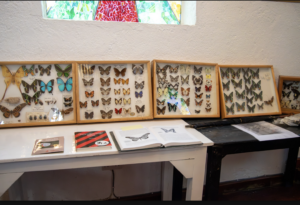
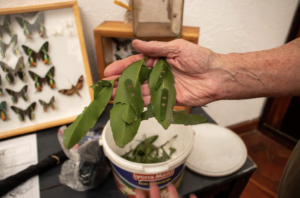
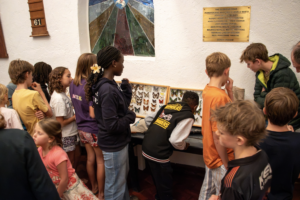
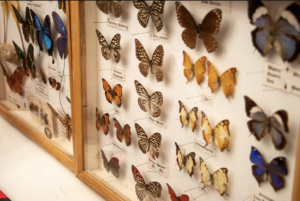
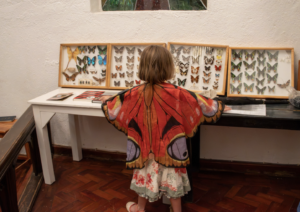
Steve arrived with a small part of his extraordinary collection of butteflies for the children to see at close quarters, as well as a box with pupae and caterpillars. Our Pembroke pupils were able to learn about the different stages of the butterfly life cycle and to see some remarkable specimens for themselves including Africa’s biggest moth and a miniscule butterfly. It was a wonderful opportunity to bring a subject usually encountered in books and lessons vividly to life.
Much of Steve’s visit was spent outside in the Pembroke grounds, where he joined Alan Mwaura, who handles our Adventure Learning curriculum. Together they looked more closely at the butterflies found around the school. With Pembroke’s gardens, mature trees and surrounding landscape providing a rich habitat, the day became as much an exploration of our own grounds as a lesson in lepidoptery.
One particularly significant moment came when Steve presented the school with Leo Mackie’s butterfly net as part of Pembroke’s Centenary Celebrations. The net carries its own link to the school’s history and now becomes part of Pembroke’s story for future generations. Leo Mackie was a Master at Pembroke for many years, and latterly lived out his retirement within the school grounds. He was an avid lepidopterist himself, and Pembroke pupils of many years remember looking at his butterfly collection in awe during their free time at school. The Boy’s House is named after Leo Mackie. As well as his interest in butterflies, Leo Mackie was a keen cricketer so it was somewhat fitting that his butterfly net used a cricket stump as a handle!
Steve’s visit was a fitting Centenary occasion: an Old Boy returning to the school he knew in the 1950s, sharing a lifetime of knowledge with today’s pupils, and helping us look with fresh eyes at the biodiversity found within our own grounds.
The crowning moment of Steve’s visit was for him to issue a challenge to the children of Pembroke House: to increase the number of butterfly species found within Pembroke to 100, to celebrate the Centenary. Pembroke will become the focal point for the list of butterflies found within Gilgil, and we will be the custodians of the list. This was a challenge well met by the Pembroke children, who were keen to take on the challenge.
We are enormously grateful to Steve for spending the day with us and for sharing both his expertise and this special piece of Pembroke history.

OTHER NEWS
07.08.26
New Head Announced for September 2027
24.02.26
Play Builds Creative Minds. We Build Time to Play.
09.01.26
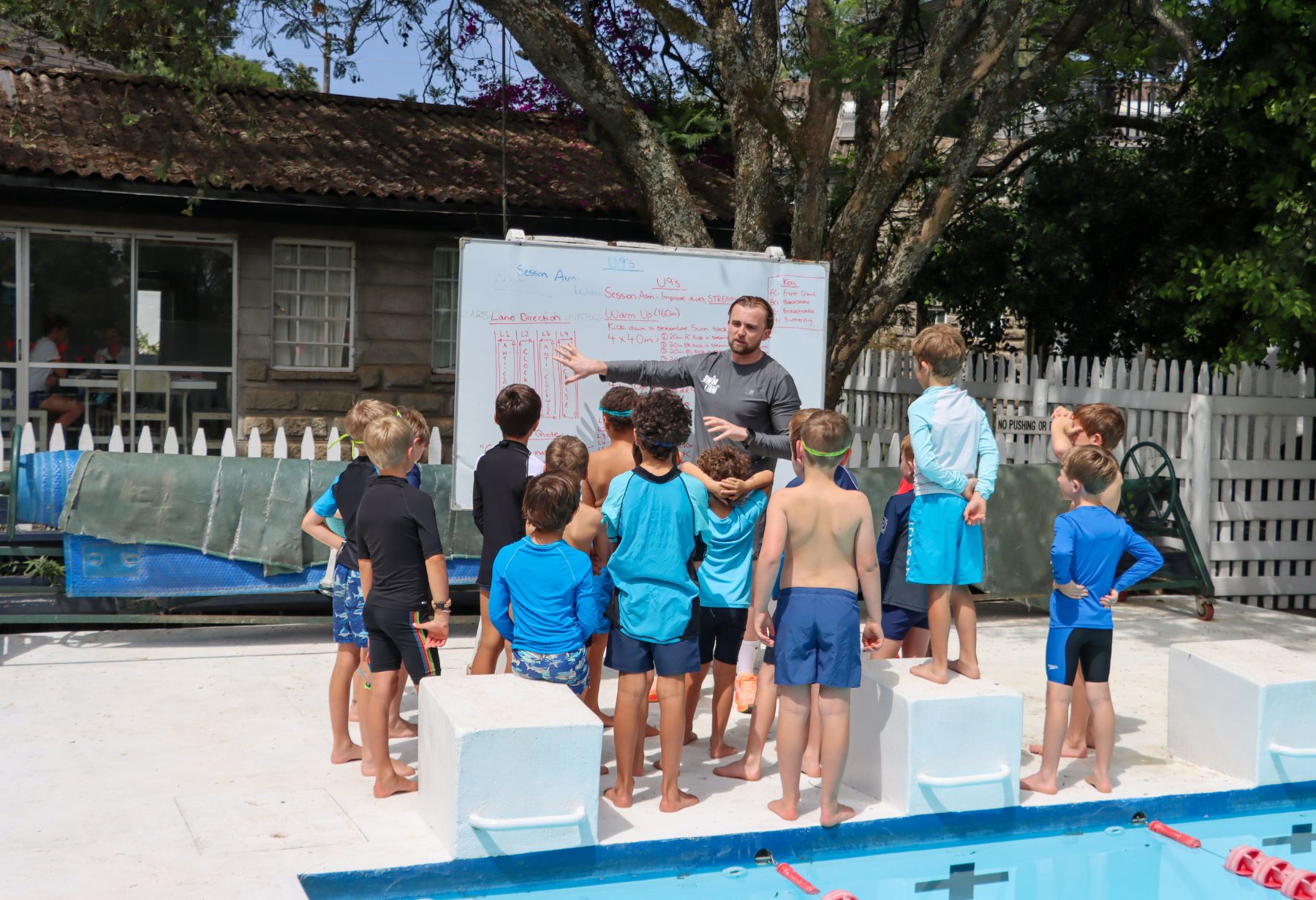
Guest Swimming Coach: Liam Bourke
07.01.26
Device-Free Boarding: A Superpower in the Screen-Time Era
19.11.25
Pembroke features in the IE100 Magazine as Traditional Co-Education School of the Year 2025!
10.11.25
Pembroke is nominated for the Specialist Provision Provider of the Year TES Award

Register to join Pembroke
Find out more
Awards & affiliates


