
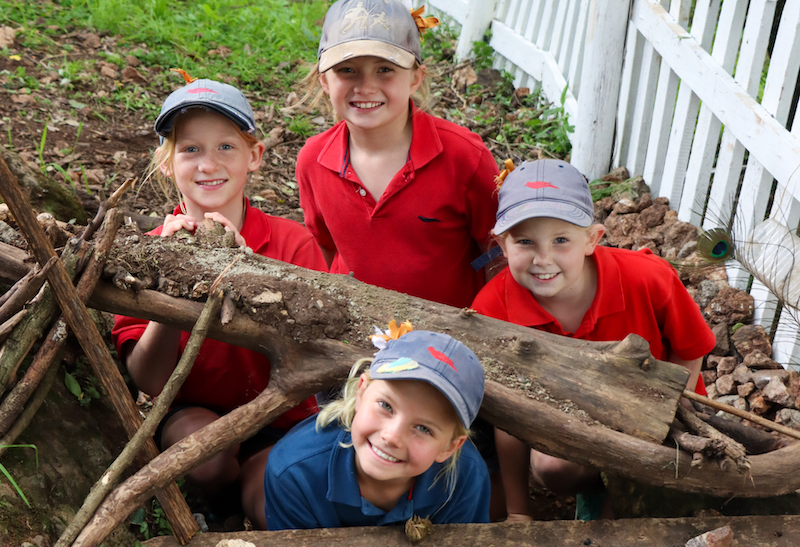
Play Builds Creative Minds. We Build Time to Play.
A recent article in New Scientist explores a simple but often overlooked truth: play is not a break from learning. It is the foundation of it.
The piece notes that “play is how young humans learn to think flexibly,” and that unstructured play in particular strengthens the neural pathways linked to creativity, problem-solving and resilience. It highlights research suggesting that when children are given autonomy in play, they practise negotiating rules, managing risk and adapting to uncertainty — all skills associated with long-term cognitive and emotional development.
In short, play builds creative minds.
At Pembroke House, we take that seriously.
Between Monday and Friday, our children have on average 6.5 hours of genuine, unstructured play. That does not include structured games lessons or organised sport. It is time to climb trees, build dens, invent rules, resolve disagreements, and test their own limits.
When children are boarding, they gain at least another five hours of play across the weekend. Long afternoons on the field. Games that stretch into dusk. Space to roam, imagine and reset.
In a world where childhood is increasingly timetabled and screen-based, this is not incidental. It is deliberate.
The New Scientist article points out that free play allows children to “explore possibilities without fear of failure.” At Pembroke, that freedom is embedded into the rhythm of the week. Children are trusted with time. They are given room to be bored, and therefore inventive. They learn to organise themselves. They learn to include others. They learn to lead.
These hours matter.
Creativity cannot be taught solely through worksheets. Leadership does not emerge only from formal roles. Emotional intelligence is not downloaded in a lesson. It is practised – repeatedly – in the small negotiations of everyday play.
This is one of the ways our pupils are set apart.
They are academically strong. They are physically confident. But they are also imaginative, adaptable and socially capable. They have spent thousands of hours practising how to navigate a world with others.
We do not treat play as a reward.
We treat it as serious work.
Because when children are given time to play well, they grow into adults who can think well.
Read the full article here: https://www.newscientist.com/article/2512853-how-play-builds-creative-minds/

OTHER NEWS
09.01.26
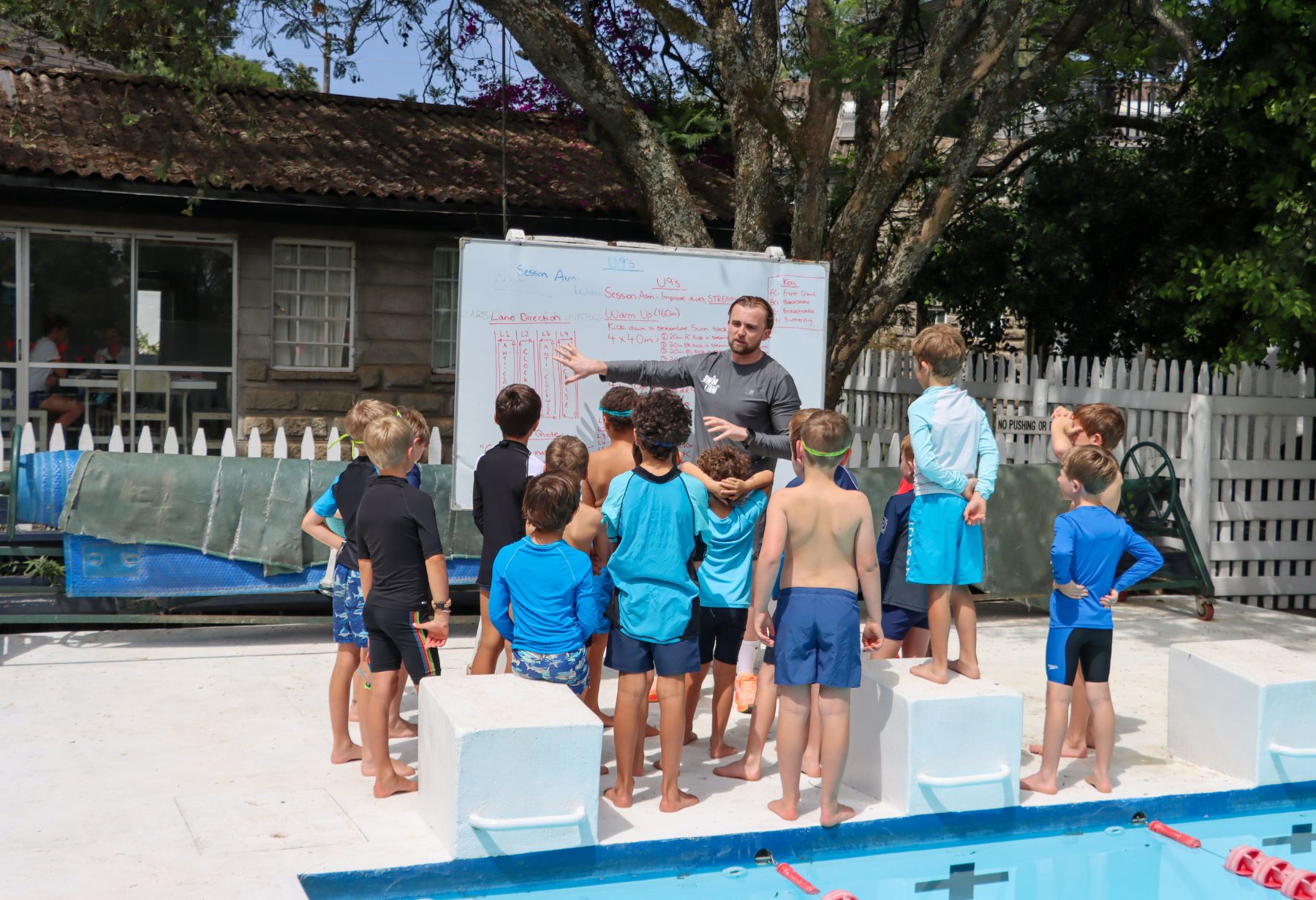
Guest Swimming Coach: Liam Bourke
07.01.26
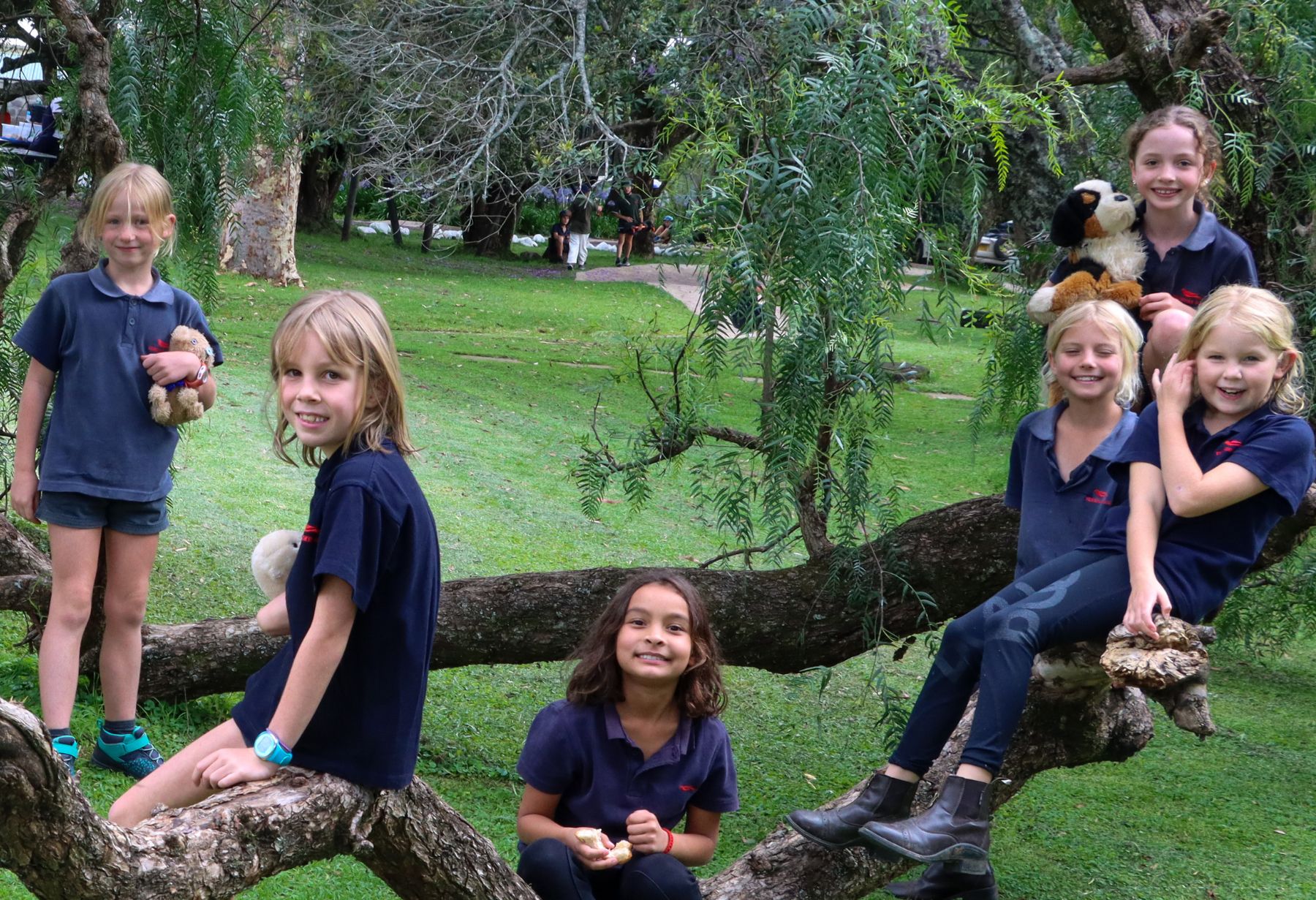
Device-Free Boarding: A Superpower in the Screen-Time Era
19.11.25
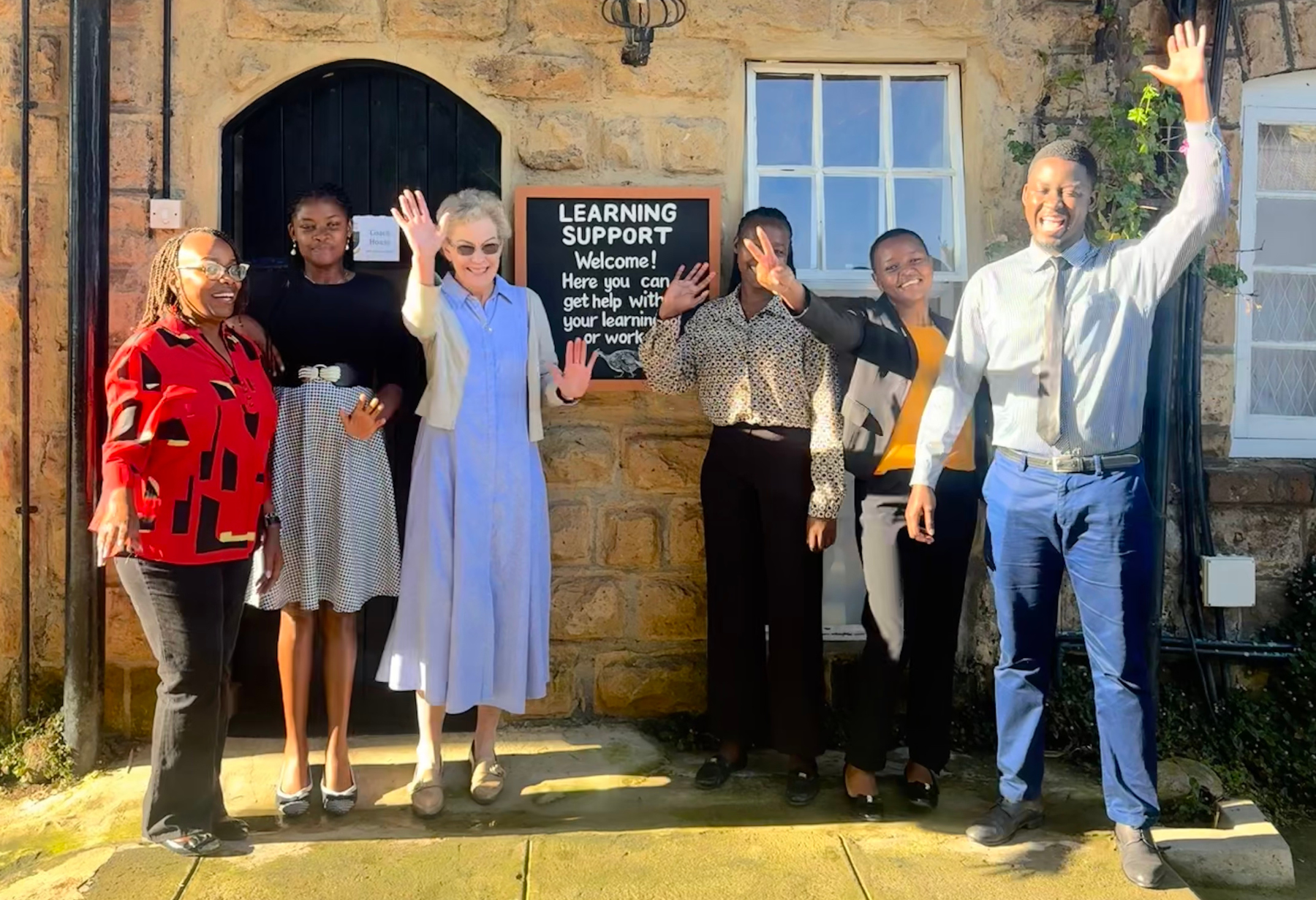
Pembroke features in the IE100 Magazine as Traditional Co-Education School of the Year 2025!
10.11.25
Pembroke is nominated for the Specialist Provision Provider of the Year TES Award

21.10.25
Our Gaps this term
Every term we get a cohort of wonderful Gap Year pupils who join us to help with the children. This term we've had Lochie, Tom, Will, Liv, Jemima, Amelie, Onnee and Grace.
18.09.25
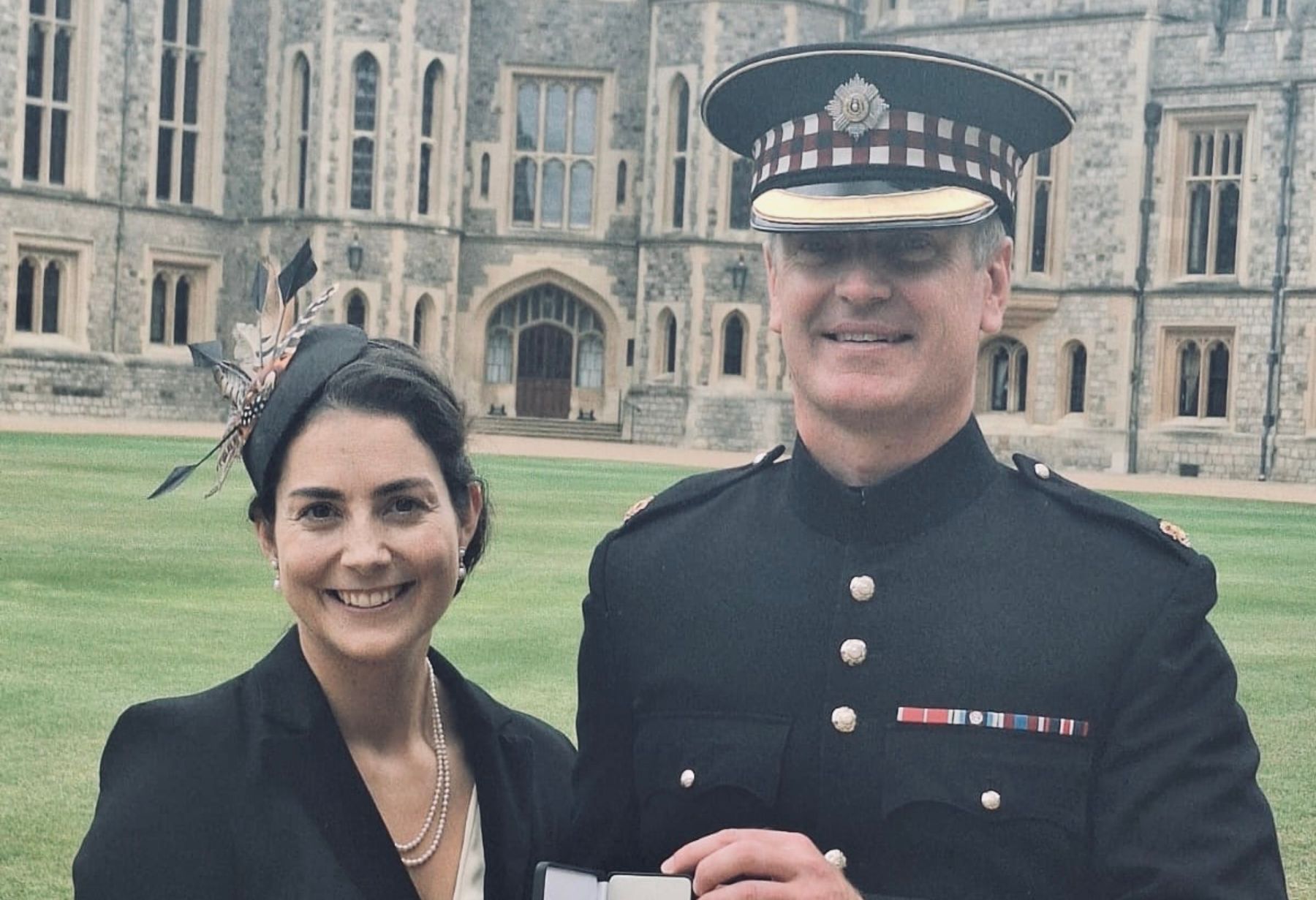
Pembrokian Thomas Mortensen awarded MBE
We are incredibly proud that Old Pembrokian, Major Thomas Mortensen was awarded an MBE this year.

Register to join Pembroke
Find out more
Awards & affiliates


